

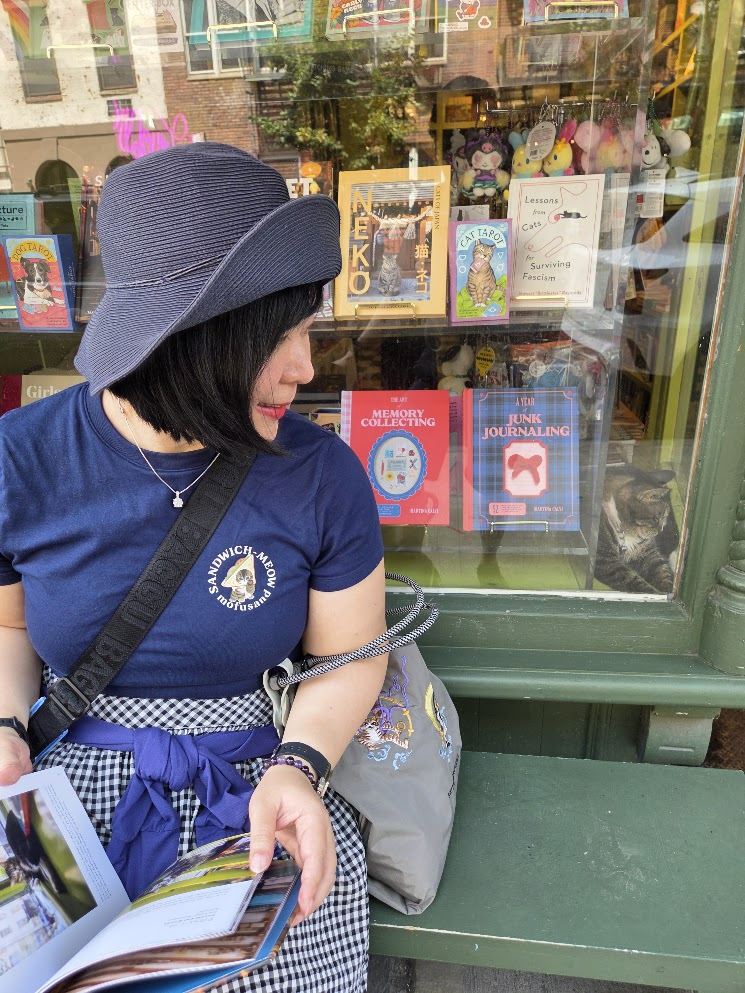
About You
Tell us a little about yourself! What’s your role at Series, and what do you work on day-to-day?
I’m a lead UI/UX designer at Series! I work together with product owners and engineers to design, plan, and implement features for anything from games, tools, to platforms.
When not busy drafting evil plans for world domination with my design work, I volunteer at a local cat rescue, garden, knit, and play games. I also like to select random assortments of books to read, chosen by whether I find the covers interesting or not.
What first drew you to UI/UX design?
I spent a good portion of my career as a generalist in a third party game studio so I was very fortunate to have been given the opportunity to try my hand at different art-related aspects of video game creation. Through that period of exploration, I’ve discovered that I really enjoy crafting UI more than anything else.
How did you end up at Series?
I came bundled with the Pixelberry team!
Your Craft
You work across several different products at Series. How does your approach change depending on what you’re designing for?
As an avid knitter, I always think about designing products like crafting bespoke gifts for people I care about. Do they want this gift at all? What would they like? Are there materials that I should avoid? How would the gift suit their current lifestyle? How will it be used? How will it be maintained?
In summary, I try my best to understand who I’m crafting for, as my designs are my expressions of love and care for them.
What does your design process look like when you’re starting something new?
First, I spend time understanding the “What?” and “For whom?” based on product requirements. I might also start conversations with other team members to gain more information as needed.
Then, I pick up a simple knitting project and I knit! The repetitive motion of knitting helps me think through the tangled mess of unsorted thoughts.
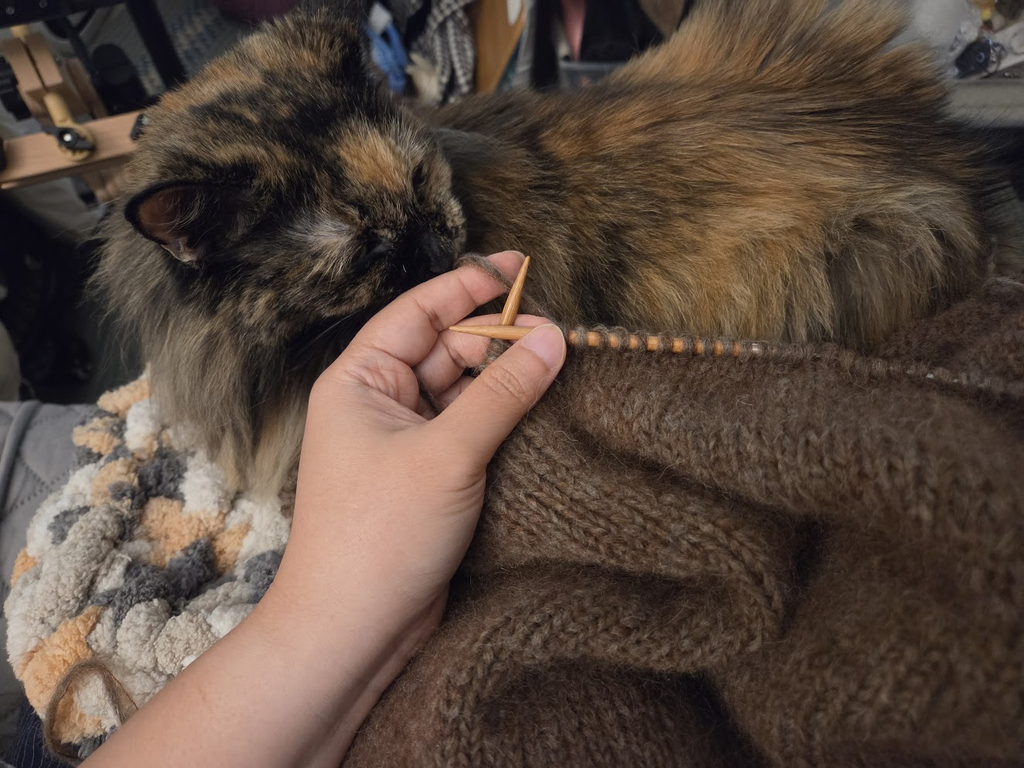
The rest of the process is pretty standard, I think.
What makes a great UI/UX in your opinion?
When I think of great UI, I think of designs that are bold, free, and unapologetic. There’s a place for functional and usable UI, but I do have a soft spot for the crazy and beautiful.
Great UX feels like comfort. A great host that makes you feel at home.
How do you balance making something visually interesting with making sure it feels intuitive and easy to use?
I think it depends. There’s certainly a place for a more austere approach to UI, where it doesn’t need to be visually ‘interesting’ to be perfect for the use case. In the context of a heavily-themed UI like games, I think there’s a lot more room for playing with echoing surfaces, motifs, and shape language from the game’s art style.
What’s something people might not realize goes into designing the interfaces they interact with every day?
Designing how failures are handled is crucial for a good user experience.
How do you collaborate with artists, product teams, and engineers to take a design from an idea to something players or creators can actually use?
We talk! I think in the AI-era where anyone can design and implement features solo, it’s even more important to take the initiative to talk and brainstorm ideas with others. Human creativity is irreplaceable.
Designing Across Series
What’s a project or design you’ve worked on at Series that you’re especially proud of?
Choices UGC Story Studio! I spent years using internal, proprietary game dev tools that were typically hard to learn and use. When I was given the opportunity to shape this tool, I went all-in on building something that can let writers focus on writing a good interactive fiction story. I cannot wait to see all the stories that will be made using this tool.
What’s interesting or challenging about designing for products as different as Choices and RUN?
I think designing for a product that has a long history like Choices has to be done with a lot of care, as Choices users are already used to a very specific user experience. For RUN, the challenge is the ever-evolving state of AI-assisted game development. Both are fun challenges!
How do you think about creating a consistent experience while still giving each product its own visual identity?
I think this becomes easier to think about and pull at once the product has a ‘heart’, and people that it wants to serve. A product that maintains an awareness of who they’re serving would develop its own visual identity and signature UX over time.
Has working with AI or AI-powered products changed the way you approach UI/UX design?
Absolutely! I’ve spent many years in my career feeling somewhat helpless because a lot of the refinements that I find important tend to fall by the wayside because it’s considered ‘polish’. With AI, I feel like I have a lot more freedom to execute those things.
AI removed a lot of rote steps in my process, which opened up more time for me to really think through my design and implementation plans.
Inspiration + Growth
Where do you find inspiration for your designs?
The world around me!
Are there any apps, games, websites, or other experiences whose UI you particularly admire?
I’m extra fond of the free and wild era of late 90s-early 00s UI. There was a lot of chaos, Y2K futurism, and other bold stylistic expressions that I thought were really exciting.
If you’re asking me to point to one memorable thing, though… I would say Katamari Damacy. I thought that the way the game conveyed emotion and speech cadence through text animation was wonderful. Animal Crossing does this to a certain extent (even matching words to character emotes), which I adore.
What’s one lesson you’ve learned as a designer that has stuck with you?
When I asked about why we couldn’t simply add certain features to an internal tool, a tool engineer coworker told me a long time ago that predicting user intent is very difficult. I think about it a lot whenever I work on features that are deceptively simple. Thanks, Eun-Yeung!
What advice would you give someone interested in getting into UI or product design?
Be interested in the world around you. The more curiosity and love you have in others, the better you can craft your bespoke designs to your users. It’s true that you can make data-informed design decisions, but there’s also great value in building design sense by sharpening your observational skills.
Lightning Round
- Dark mode or light mode? Why not both… and more?
- Figma file: perfectly organized or controlled chaos? Organized to facilitate chaos.
- Desktop or mobile? Both at the same time
- Minimalist or maximalist? Maximalist
- Favorite font? Comic sans, which received unjust hate just despite being a great, readable font for readers with dyslexia.
- Favorite game right now? Bob the Diver
- Early bird or night owl? Is 7am early?
- Coffee or tea? Both, AND mate.
- One app you think has nearly perfect UI? None, simply because products shift so fast nowadays that I might’ve liked it awhile back and then not anymore. I’m enamored with Rednote’s translate feature, though. More apps should include a translation feature.
- If you weren’t a designer, what would you be doing? A comic book artist, maybe!
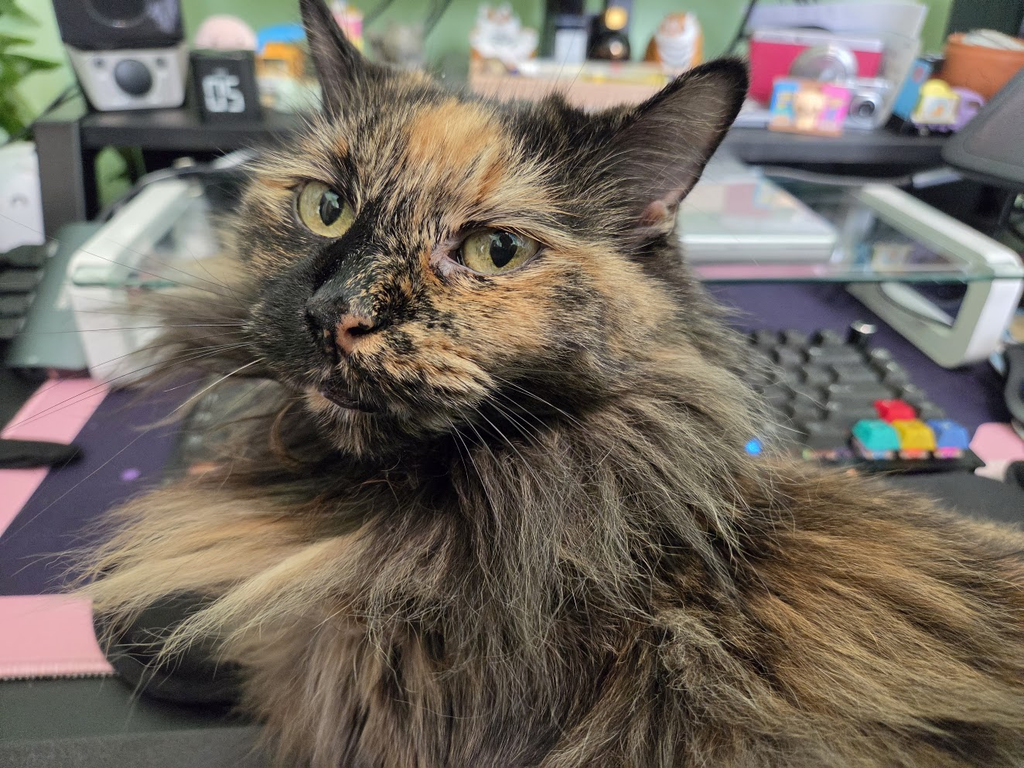
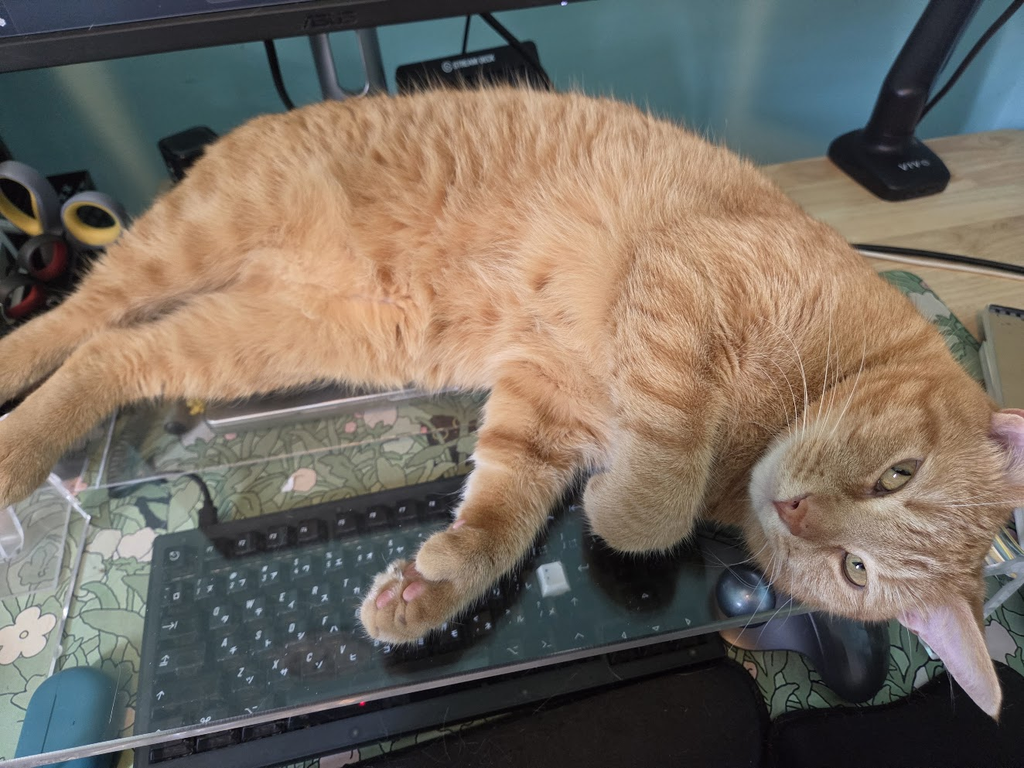
(Sindy’s fur babies! and co-designers)